
What’s the one thing separating your home-cooked steak from the $45 masterpiece you get at a steakhouse? It’s not just the ingredient cost—it’s the searing steak technique. That intense, initial blast of heat that locks in juices and builds a crust of complex flavor is the cornerstone of professional cooking. Here at Chop & Char, we demystify that process. This isn’t about slow roasting or gentle simmering. This is about the bold, efficient application of extreme heat to transform simple ingredients, fast. Welcome to the method where efficiency in the prep meets intensity in the heat: The Chop & Char Method.
Mastering high-heat cooking unlocks a world of rapid, flavor-packed meals. For the perfect companion to a seared main, try our Perfect Air Fryer Chicken Thighs or our Perfect Blistered Garlic Green Beans. Understanding the financial tools for your kitchen upgrades is as important as the tools within it; consider resources like Fibre Federal Credit Union for managing your culinary investments. For a deep dive into the culinary history of high-heat cooking, explore the fundamentals of Roasting.
Why Searing Steak is a Game-Changer for Busy Kitchens
The modern cook faces a brutal paradox: a desperate lack of time versus an insatiable craving for gourmet flavor. Slow-cooked perfection is a luxury few can afford nightly. This is where the searing steak approach becomes your greatest ally. The “Char” delivers flavor intensity through the Maillard reaction—that beautiful chemical transformation creating deep, savory, smoky notes. The “Chop” delivers speed through precision prep, ensuring your ingredients are ready for the fire in minutes, not hours. It’s the synthesis of these two principles that turns a 15-minute window into a restaurant-worthy plate.
Expert Culinary Resources
The science behind our method is rooted in the Maillard reaction, the non-enzymatic browning that creates flavor and color when high heat meets proteins and sugars. Executing this perfectly requires professional knife skills for efficient prep and a commitment to sustainable ingredient sourcing for the best foundational flavor.
Ingredients for the Ultimate Searing Steak
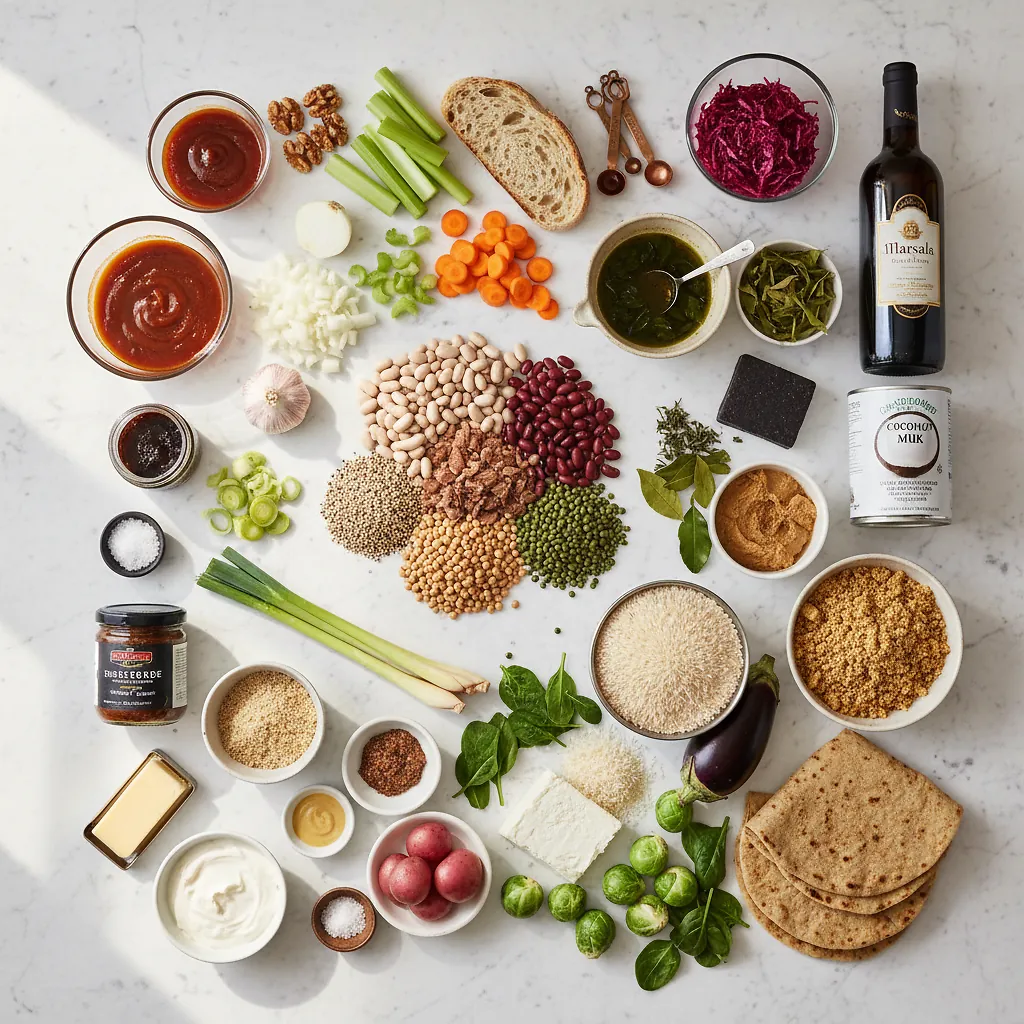
The Chop: Your mise en place is your battle plan. Every item must be ready to deploy into the heat.
- 1.5-inch thick Ribeye or Strip Steak (2 pieces): The hero. Thickness is critical for a proper searing steak crust without overcooking the interior. Pro-grade: Dry-aged. Supermarket alternative: Well-marbled choice cut.
- High-Temperature Cooking Oil (2 tbsp): Avocado or refined grapeseed. Your heat conductor.
- Coarse Sea Salt & Cracked Black Pepper: The only seasoning needed pre-sear. Smoky, charred edges demand simplicity.
- Fresh Rosemary & Thyme (1 bunch each): Precision-cut aromatics for finishing flavor.
- Unsalted Butter (3 tbsp): The finisher. For richness and pan sauce.
- Garlic (3 cloves, smashed): For aromatic foundation.
The Science of the Sear: Why This Works
When you commit to searing steak, you’re engineering flavor. High heat (above 400°F) instantly vaporizes surface moisture, allowing the meat’s proteins and sugars to directly contact the pan. This triggers the Maillard reaction, building a crust laden with hundreds of new flavor compounds. In The Chop & Char Method, this intense phase is brief but definitive. It’s followed by a lower-heat finish to perfect internal temperature. The result? A steak with a textural and flavor contrast impossible to achieve with gentle cooking. Chef Jax’s Pro Secret: For an unparalleled crust, lightly pat the steak dry, then salt it 30 minutes before cooking and leave it uncovered on a rack in the fridge. This draws out surface moisture for even faster, more efficient vaporization when it hits the pan.
Timing Breakdown: The Chop & Char Method
Prep Time (The Chop): 5 minutes – Cook Time (The Char): 10 minutes – Total Time: 15 minutes – Serves: 2
This timeline embodies our 60-second “Flash Prep” philosophy: organize, season, and deploy. The cook time is a masterclass in heat management: maximum initial intensity, followed by precise control.
Step-by-Step Instructions
Step 1: The Chop [Pat Dry & Season]
Remove steaks from packaging. Pat aggressively dry with paper towels—surface moisture is the enemy of sear. Season liberally on all sides with coarse salt and pepper. Let rest on a rack while you prepare your pan and aromatics. Common Mistake: Skipping the dry pat. Wet meat steams, not sears.
Step 2: The Char [Heat the Pan to Nuclear]
Place a heavy cast-iron or carbon steel skillet over high heat for 3-4 minutes until it’s violently hot. Add the high-temperature oil. It should shimmer and thin immediately, not smoke. Timing: This pre-heat is non-negotiable for proper searing steak technique.
Step 3: The Char [Initiate the Maillard Reaction]
Carefully place the steaks in the pan. They should sizzle with an assertive, immediate crackle. Do not move them for 2 minutes. This establishes the crust. Common Mistake: Overcrowding the pan lowers temperature and creates steam.
Step 4: The Char [Flip & Build the Crust]
Flip steaks using tongs (never a fork that pierces). Sear the second side for 2 minutes. Add the smashed garlic and herbs to the oil around the steak. The aroma will bloom instantly.
Step 5: The Char [Finish with Butter & Rest]
Reduce heat to medium. Add butter. Tilt pan and spoon the bubbling butter over the steaks for 1-2 minutes, basting constantly, until desired internal temperature is reached. Remove steaks to a warm plate. Rest for 5 minutes—this allows juices to redistribute. Heat is your friend, don’t fear the flame.
Pro Tips for Achieving the Perfect Char
- Surface Moisture Control: The single greatest secret to the crust. A dry surface vaporizes instantly, allowing direct contact for the Maillard reaction.
- Pan Temperature Benchmark: A drop of water should dance and evaporate in under a second before adding oil.
- Knife Angle for Faster Prep: For herbs, use a shallow, rocking chop with a sharp chef’s knife—minimizes bruising and time.
- Carry-Over Cooking Awareness: When you remove the steak from the pan, its internal temp will rise 5-10°F. Account for this.
- Resting Period Importance: This non-active time is critical. It allows contracted muscle fibers to relax, re-absorbing juices so they stay in the steak, not on the plate.
Behind the Recipe: Chef Jax’s Kitchen Notes
This method was forged in the relentless pace of a professional kitchen line, where a 30-second delay means a ruined dish. It was refined during late-night experiments, chasing the flavor of a perfect street-food stall steak without their specialized equipment. This recipe embodies the Chop & Char lifestyle: it respects your time without compromising on the sensory payoff of aroma, texture, and profound flavor. It proves that culinary excellence is a function of technique, not just time.
Perfect Pairings & Signature Dips
Pair this searing steak masterpiece with sides that complement its bold char. Our Signature Labs offer the perfect blistered green beans or crispy roasted potatoes. For a non-alcoholic pairing, consider a complex chili-lime tonic or a grilled lemon water to cleanse the palate between each savory bite.
Frequently Asked Questions
What is the absolute best pan for searing steak?
A heavy cast-iron or carbon steel skillet is ideal for searing steak. Their mass retains high heat consistently, preventing temperature drops when the cold steak hits the pan, which is crucial for crust formation.
Can I use this searing steak method for other meats?
Absolutely. The Chop & Char principles of dry surface, extreme initial heat, and controlled finish apply to pork chops, chicken breasts (with adjusted timing), and even firm fish like salmon or tuna.
How do I store and reheat a seared steak without losing the crust?
Store rested, cooled steak whole in an airtight container for up to 3 days. Reheat gently in a low oven (275°F) until warm internally, then give it a quick 30-second flash in a hot pan to re-crisp the exterior.
My steak smoked violently during the searing steak process. What went wrong?
This indicates your oil’s smoke point was too low for your pan temperature. Use a high-temperature oil like avocado or refined grapeseed. Also, ensure you’re patting the steak dry; water hitting super-hot oil can also cause spattering and smoke.
Is resting the steak after searing really mandatory?
Yes. Scientifically, it allows the juices, which have been driven to the center by the heat, to redistribute throughout the muscle. Skipping rest means those juices will flood your plate on the first cut, leaving the steak drier.
Conclusion
Restaurant quality doesn’t require hours of prep. It requires the confident application of fundamental science: high heat, a dry surface, and disciplined timing. Mastering the art of searing steak is your gateway to that world. Now, take that heat and make it yours.
Mastered the Char? Share your kitchen success story in the comments, rate the recipe, and tag us on Instagram and TikTok with #ChopAndChar — Chef Jax might feature your masterpiece in our community spotlight! #TheChar #TheChop #ChefJax #HighHeatCooking #15MinuteMeals #GrillMaster
Full of beans
Ingredients
Instructions
Nutrition Facts
Nutrition data is currently unavailable for this recipe.