
Why does restaurant food taste so much better than what you make at home? It’s not just fancy ingredients; it’s the brutal, beautiful application of high heat. The professional kitchen’s secret weapon is a blistering pan that creates flavor in seconds, not minutes. Today, we’re bringing that weapon into your kitchen with a Chop & Char revolution of a classic: the ultimate Ciambotta. This isn’t your nonna’s all-day stew. This is a high-velocity, flavor-blasted vegetable masterpiece that locks in texture, maximizes the Maillard reaction, and proves gourmet results are a function of heat management, not hours of labor.
This method is a cornerstone of The Chop & Char philosophy: efficiency in the prep, intensity in the heat. It’s the same principle that delivers Perfect Air Fryer Chicken Thighs and Perfect Blistered Garlic Green Beans. For the science behind high-heat cooking, resources like Nutrition.gov offer foundational knowledge, and even gaming communities like r/slaythespire on Reddit understand the power of an “early searing blow”—a concept we live by in the kitchen.
Why Ciambotta is a Game-Changer for Busy Kitchens
The modern cook faces a brutal paradox: a craving for deep, complex flavor versus a schedule that allows for none of it. Traditional Ciambotta, a Southern Italian vegetable medley, often simmers into a soft, homogenous texture. We reject that timeline. Our Chop & Char Ciambotta celebrates the individual character of each vegetable—the smoky sear on an eggplant cube, the blister on a bell pepper strip, the fond (those caramelized bits) left by a quick-seared zucchini. By applying restaurant-grade high-heat techniques, we compress hours of slow-cooked depth into a 15-minute window. The “Chop” is a strategic, precision-cut mise en place. The “Char” is a sequential, violent sear that builds layers of flavor no slow simmer can match.
Expert Culinary Resources
Mastering this dish requires understanding the core principles. The Maillard reaction—the chemical transformation of proteins and sugars under high heat—is your flavor engine. Honing your knife skills isn’t about showmanship; it’s about creating uniform surface areas for even searing. And while we focus on technique, sourcing the freshest, in-season produce from local farmers whenever possible ensures your high-heat char highlights peak flavor, not just compensates for its lack.
Ingredients for the Ultimate Ciambotta
Focus Keyword Ingredients
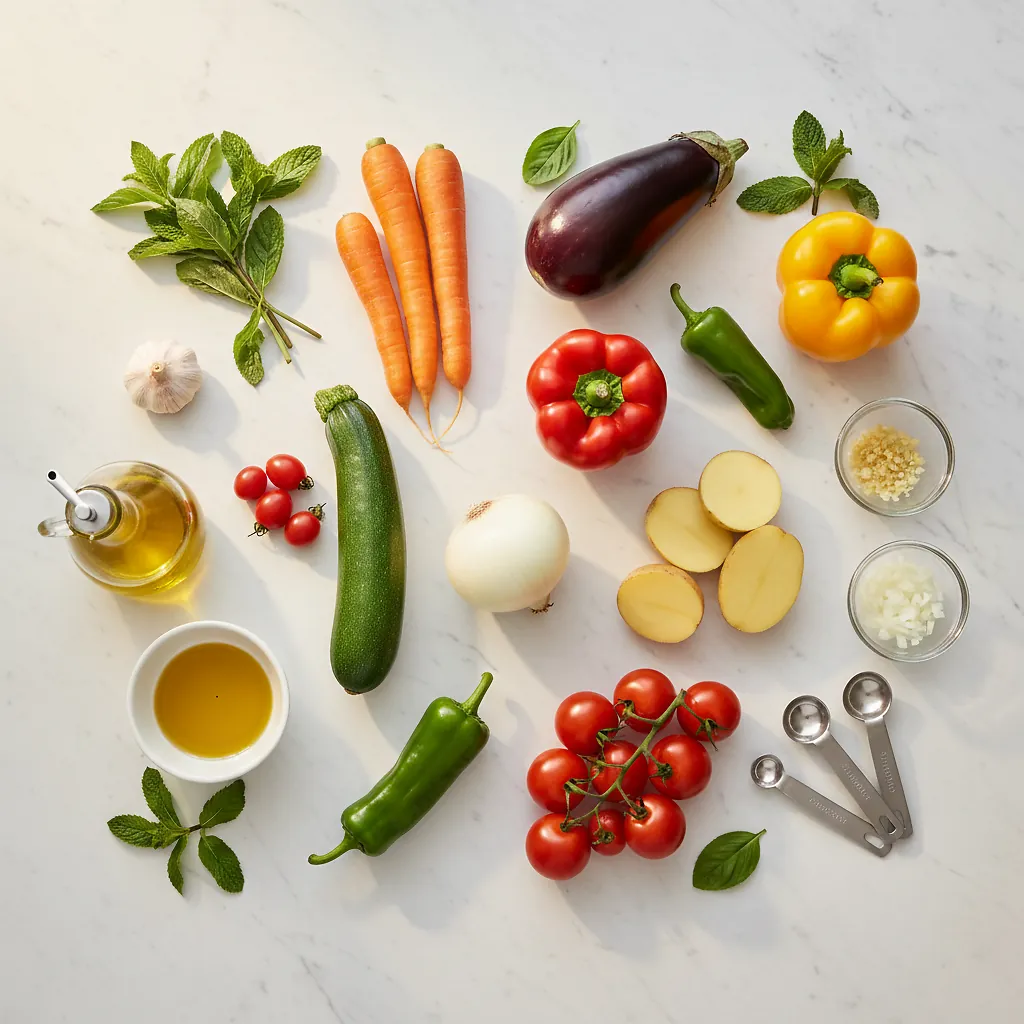
The Chop (Precision-Cut Aromatics & Vegetables): 1 large eggplant, cut into 3/4-inch cubes (skin on for texture). 2 medium zucchini, cut into 3/4-inch half-moons. 1 red and 1 yellow bell pepper, cut into 1-inch strips. 1 large yellow onion, roughly chopped. 4 cloves garlic, thinly sliced. 1 lb ripe Roma tomatoes, concassé (peeled, seeded, and chopped) OR 1 (28 oz) can high-quality whole San Marzano tomatoes, crushed by hand. Pro-grade alternative: Seek out Italian DOP San Marzano tomatoes for a deeper, sweeter acidity.
The Char (Flavor Foundation): 3 tablespoons high-smoke-point oil (grapeseed or avocado). Kosher salt and freshly cracked black pepper. 1/4 cup torn fresh basil. 1 teaspoon dried oregano (preferably Sicilian). Optional finish: A drizzle of extra virgin olive oil and a pinch of chili flake.
The Science of the Sear: Why This Ciambotta Works
Water is the enemy of sear. Our method is a calculated battle against moisture. Eggplant and zucchini, when salted and seared in small batches over high heat, undergo rapid dehydration at the surface. This allows the temperature to soar past 300°F, triggering the Maillard reaction and creating a savory, caramelized crust that locks in a tender interior. The sequential searing—building the Ciambotta in stages—prevents pan overcrowding, which steams vegetables. Instead, each ingredient gets direct contact with screaming-hot metal, creating layers of fond in the pan. This fond becomes the flavor base for the quick tomato simmer, melding the individual chars into a coherent, complex sauce.
Chef Jax’s Pro Secret: Salt your eggplant and zucchini cubes on a rack for 10 minutes while you prep everything else. This draws out surface moisture. Pat them bone-dry with a paper towel before they hit the oil. This single step is the difference between a steamed vegetable and one with a professional, charred crust.
Timing Breakdown: The Chop & Char Method
Prep Time (The Chop): 8 minutes – Cook Time (The Char): 7 minutes – Total Time: 15 minutes. Serves: 4. This is the 60-second “Flash Prep” philosophy: every knife stroke is deliberate. Every ingredient is staged for its turn in the arena of heat. There is no downtime. The pan never cools.
Step-by-Step Instructions
Step 1: The Chop & Dry
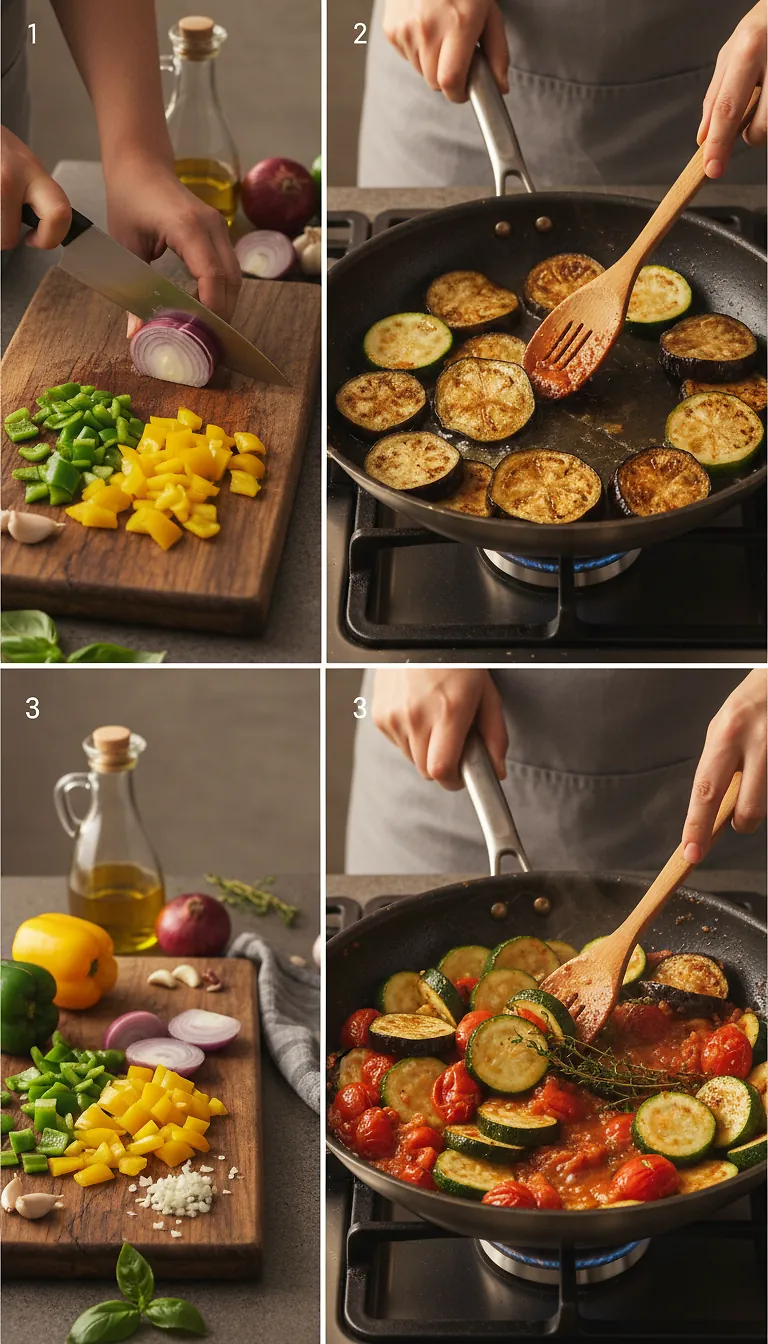
Cut all vegetables as specified. Place eggplant and zucchini cubes on a wire rack, sprinkle generously with kosher salt, and set aside. This 10-minute window is your prep time for everything else. Pat the eggplant and zucchini thoroughly dry with paper towels. Common Mistake: Skipping the drying step guarantees a soggy sear.
Step 2: The Char – Foundation
Heat a large carbon steel or cast-iron skillet over maximum heat for 90 seconds. Add 1.5 tablespoons of oil until it shimmers. Add the dried eggplant in a single layer (work in batches). Do not touch for 90 seconds to achieve a hard sear. Toss and cook for another 60 seconds until charred. Remove. Repeat with zucchini, getting color quickly. Remove.
Step 3: The Char – Aromatics & Build
In the same pan, add remaining oil. Add bell peppers and onion. Sear, tossing occasionally, for 3 minutes until blistered and slightly softened. Add garlic and oregano, toast for 30 seconds until fragrant.
Step 4: The Simmer & Unify
Add the crushed tomatoes to the pan, scraping up all the fond. Bring to a rapid simmer. Return all seared vegetables to the pan. Toss and simmer for 2 minutes just to unify and heat through. Kill the heat.
Step 5: The Finish
Fold in torn basil. Season aggressively with salt and pepper. Optionally, finish with a drizzle of extra virgin olive oil and chili flake. Serve immediately.
Pro Tips for Achieving the Perfect Char
Surface moisture control is non-negotiable; a dry vegetable is a seared vegetable. Your pan temperature benchmark: a few drops of water should skitter and vaporize instantly. Use a chef’s knife with a 15-degree angle for faster, cleaner prep. Understand carry-over cooking—the residual heat in the dense eggplant will continue to cook it off the heat, so err on the side of a firmer sear. A brief 2-minute resting period after plating allows the intense flavors of your Ciambotta to settle and marry.
Behind the Recipe: Chef Jax’s Kitchen Notes
This recipe was born during a late-service rush, a need to translate the soul of a slow-cooked dish into a ticket-time reality. The inspiration was less about reinvention and more about compression—applying the brutal efficiency of a steak sear to a vegetable stew. This Ciambotta embodies the Chop & Char lifestyle: respect for ingredient integrity, reverence for high heat, and the relentless pursuit of maximum flavor per second. It’s proof that depth doesn’t require time; it requires technique.
Perfect Pairings & Signature Dips
Serve this robust Ciambotta over a slab of grilled rustic bread to soak up the char-kissed sauce. For a protein boost, it’s a perfect companion to simply seared chicken thighs or white fish. From our non-alcoholic Signature Labs, a charcoal-grilled lemon and rosemary tonic or a muddled blackberry and sage sparkling water cut through the richness with bright, complex acidity.
Frequently Asked Questions
What is the best pan for achieving the perfect char on Ciambotta?
A heavy-bottomed carbon steel or cast-iron skillet is essential. It retains and distributes extreme heat evenly, preventing cool spots that steam vegetables instead of searing them.
Can I make Ciambotta ahead of time, and how do I reheat it?
You can prep the chopped vegetables ahead, but for optimal texture, cook it fresh. To reheat leftovers, use a screaming-hot pan for 60-90 seconds to re-crisp the vegetables, don’t microwave.
What are the key vegetable substitutions in a traditional Ciambotta?
The core trio is eggplant, zucchini, and peppers. For the tomatoes, high-quality canned San Marzanos are superior to out-of-season fresh. Potatoes can be added but must be par-cooked first to char properly.
How do I prevent my Ciambotta from becoming soggy?
The twin sins are overcrowding the pan and not drying your vegetables. Salt, drain, and pat dry your eggplant/zucchini. Sear in batches to ensure each piece has contact with the metal.
What is the ideal serving temperature for Ciambotta?
Serve your Ciambotta immediately after the final char, while the vegetables retain distinct texture and the aroma of the sear is most potent. It is a dish of high-heat immediacy.
Conclusion
Restaurant-quality texture and flavor don’t require hours of prep. They require the courage to wield high heat with precision and intent. This Chop & Char Ciambotta is your proof—a 15-minute masterclass in building layers of smoky, savory depth through the relentless, focused application of the sear.
Ciambotta Final Result
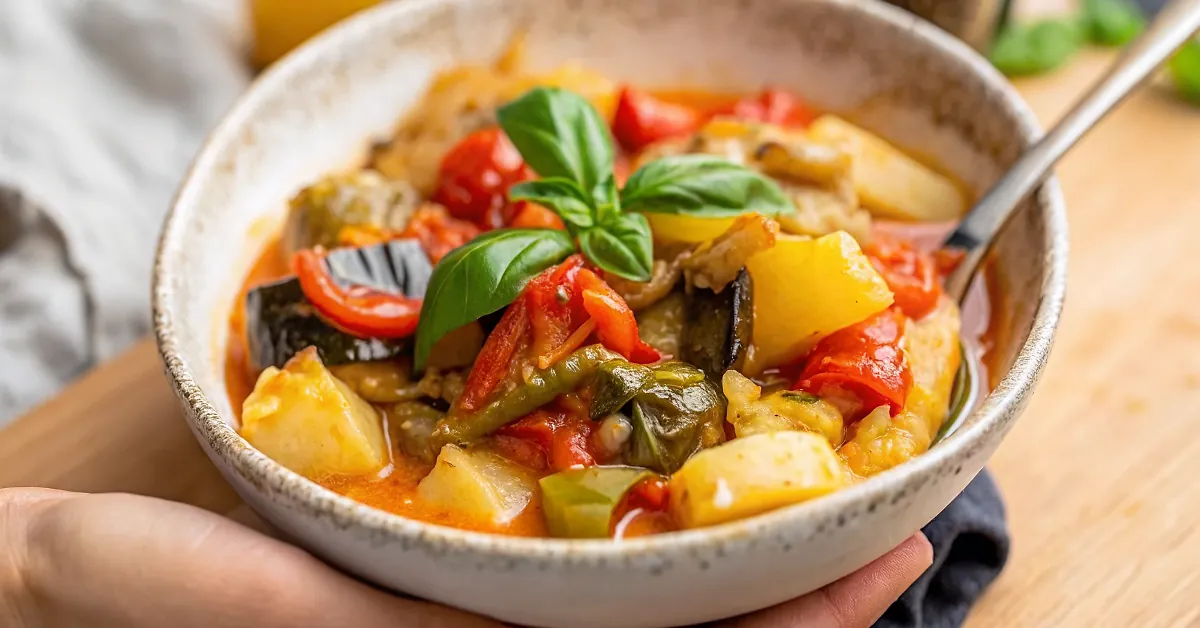
Mastered the Char? Share your kitchen success story in the comments, rate the recipe, and tag us on Instagram and TikTok with #ChopAndChar — Chef Jax might feature your masterpiece in our community spotlight! #TheChar #TheChop #ChefJax #HighHeatCooking #15MinuteMeals #GrillMaster
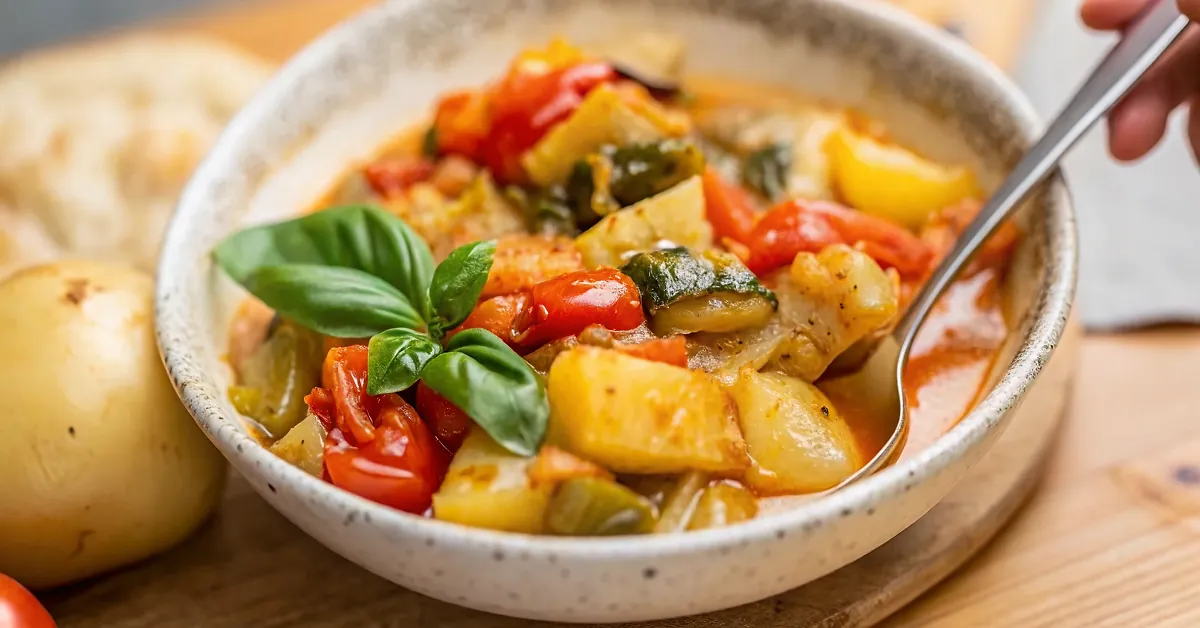
Ciambotta
Ingredients
Instructions
- Prepare the vegetables: Slice the eggplants, zucchinis, and bell peppers. Chop the onion and mince the garlic.
- Cook the vegetables: Heat the olive oil in a large skillet over medium heat. Add the sliced vegetables and cook until tender, about 10-12 minutes.
- Add the cherry tomatoes and garlic: Add the cherry tomatoes and garlic to the skillet. Cook for an additional 5 minutes, stirring occasionally.
- Season with salt and pepper: Season the ciambotta with salt and pepper to taste.