
Why do restaurant gyoza possess that impossible depth of flavor—a delicate wrapper giving way to a savory, juicy interior crowned with a crisp, lace-like crust—while home versions often fall flat? The answer isn’t a secret ingredient; it’s a secret technique: controlled, aggressive heat. This is where culinary science meets efficiency. Today, we’re unlocking that professional standard with a recipe for The Best Gyoza (Japanese Pork and Cabbage Dumplings), engineered through the Chop & Char Method. We’re trading hours of fuss for minutes of focused, high-heat execution.
Mastering this recipe is a gateway to other high-heat triumphs. If you love the efficiency of a blistering-hot surface, you’ll want to explore our Perfect Air Fryer Chicken Thighs or our Perfect Chili Garlic Crispy Tofu. For foundational knowledge on cooking science and technique, resources like NutritionFacts.org offer valuable insights, while communities such as this Reddit thread provide peer support for mastering the pan.
Why The Best Gyoza (Japanese Pork and Cabbage Dumplings) is a Game-Changer for Busy Kitchens
The modern cook faces a paradox: a craving for complex, gourmet flavor versus a schedule that permits only minimal kitchen time. The Chop & Char Method was born to solve this. For The Best Gyoza, “The Chop” is about precision and speed—transforming pork, cabbage, and aromatics into a cohesive filling in under 10 minutes. “The Char” is the transformative fire: a searing cast-iron surface that triggers the Maillard reaction, creating hundreds of new flavor compounds and that signature textural contrast between crispy base and tender top. This isn’t slow steaming; it’s a flavor bombardment.
Expert Culinary Resources
The magic of the sear is rooted in food science. The Maillard reaction—a chemical interaction between amino acids and reducing sugars at high heat—is responsible for the complex, savory, roasted flavors in your seared gyoza crust, browned steak, or toasted bread. Executing it perfectly requires understanding heat management and moisture control. Pair this with professional-grade knife skills for faster, safer prep, and a mindset for sourcing sustainable, flavor-packed ingredients, and you elevate from home cook to kitchen conductor.
Ingredients for the Ultimate The Best Gyoza (Japanese Pork and Cabbage Dumplings)
Flavor is built from the ground up. We’re selecting for umami, texture, and aromatic complexity, with “The Chop” prep suggestions to maximize efficiency. Pro-grade alternatives elevate, but supermarket staples deliver excellence.
Focus Keyword Ingredients
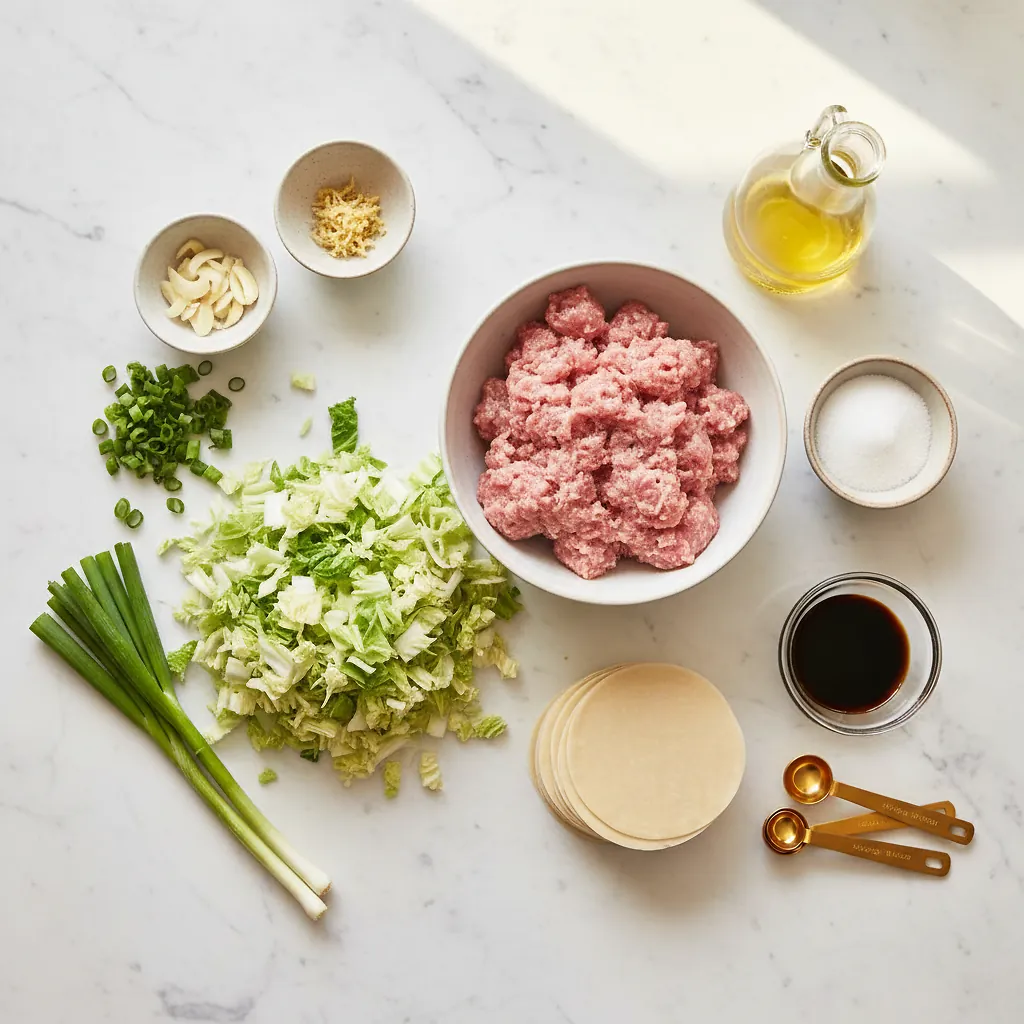
The Filling (The Chop Focus): 1 lb ground pork (70/30 fat ratio for juiciness), 4 cups finely chopped Napa cabbage (salted and squeezed dry—this is critical), 4 green onions, precision-cut, 2 cloves garlic, microplaned, 1 tbsp fresh ginger, microplaned, 1.5 tbsp soy sauce, 1 tbsp toasted sesame oil, 1 tsp sugar, 1/2 tsp white pepper. Pro Note: For a deeper umami layer, substitute 1 tsp of the soy sauce with white miso paste.
The Assembly & Sear: 30 – 40 round gyoza wrappers (store-bought is perfect for speed), 1/4 cup water for sealing, 2 tbsp high-smoke-point oil (avocado or peanut), 1/2 cup water for steaming. Accessibility: All-purpose flour wrappers work. For the oil, canola is a fine supermarket swap.
The Signature Dip: 3 tbsp soy sauce, to 1 tbsp rice vinegar, 1 tsp chili oil (or to taste), 1 green onion, sliced. Sensory Goal: A salty, tangy, spicy punch that cuts through the rich pork.
The Science of the Sear: Why This Works
High heat doesn’t just cook; it transforms. For The Best Gyoza (Japanese Pork and Cabbage Dumplings), the cast-iron pan performs two critical functions. First, direct contact at 400°F+ instantly vaporizes surface moisture on the dumpling base, allowing it to crisp into a golden-brown lattice—that’s the Maillard reaction in delicious action. Second, the subsequent steam phase (adding water to the hot pan) gently cooks the upper wrapper and ensures the pork filling reaches a safe, juicy temperature without overcooking. The Chop & Char timing is key: maximum heat for the sear (2-3 minutes), a shorter steam (8-10 minutes), then a final blast to re-crisp the base. Chef Jax’s Pro Secret: After steaming, lift a gyoza edge to check for evaporated water. The moment you see a dry, sizzling pan, you have a 60-second window to achieve the perfect final char before the bases can burn.
Timing Breakdown: The Chop & Char Method
Prep Time (The Chop): 12 minutes – Cook Time (The Char): 15 minutes – Total Time: 27 minutes. Serves: 4 (2-3 per person as a main). This is the 60-second “Flash Prep” philosophy in action: every knife stroke is deliberate, every ingredient is pre-measured (mise en place), and the pan is heating while you assemble. The clock starts when your knife hits the cabbage.
Step-by-Step Instructions
Step 1: The Chop [Filling & Assembly]
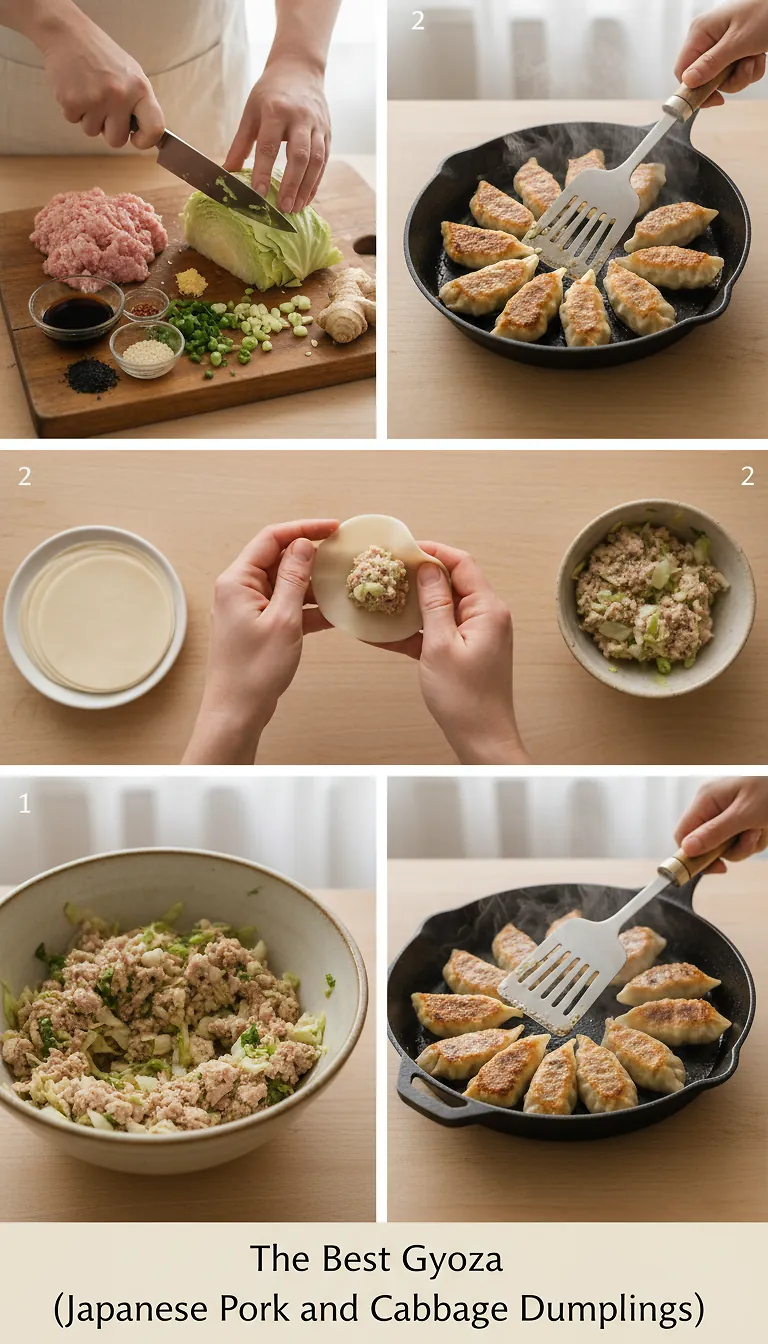
Combine cabbage with 1 tsp salt, let sit for 5 minutes, then squeeze in a towel to remove all excess moisture. This prevents a soggy filling. In a bowl, mix pork, squeezed cabbage, green onions, garlic, ginger, soy sauce, sesame oil, sugar, and pepper. Use hands or forks to combine until tacky. Place 1 tsp filling in center of a wrapper. Dab water around half the edge, fold, and pleat to seal. Keep covered with a damp cloth. Common Mistake: Overfilling leads to bursting during the sear.
Step 2: The Char [The Two-Phase Sear]
Heat a heavy cast-iron or non-stick skillet over medium-high heat until a water droplet sizzles violently. Add oil, swirl. Place gyoza in pan, flat-side down, leaving a 1/4-inch gap between them. Sear undisturbed for 2-3 minutes until a deep golden crust forms. Pour in 1/2 cup water, immediately cover, and reduce heat to medium. Steam for 8-10 minutes. Uncover, increase heat to high, and cook for 1-2 final minutes to evaporate any liquid and re-crisp the bases. Listen for the sizzle to turn dry and sharp.
Pro Tips for Achieving the Perfect Char
Surface moisture is the enemy of crust. Ensure your filled gyoza are dry on the bottom before they hit the pan. Your pan temperature benchmark is the “mercury sizzle” test—water should bead and vaporize in under a second. For faster prep, use a rocking chop with your chef’s knife, keeping the tip anchored. Remember carry-over cooking: the filling will rise 5-10°F after removal from heat. A 1-minute rest on a wire rack (not a plate, to avoid steam softening the crust) is non-negotiable for structural integrity.
Behind the Recipe: Chef Jax’s Kitchen Notes
The inspiration for this method wasn’t a quiet Tokyo kitchen, but a bustling night market stall, where the cook operated a battalion of blistering-hot griddles with rhythmic, efficient movements. Each dumpling was placed, seared, steamed, and served in a continuous, high-heat dance. This recipe captures that spirit—the relentless pursuit of flavor through fire, adapted for a single home skillet. It embodies the Chop & Char lifestyle because it proves that the most intimidating restaurant textures are achievable through understanding heat, not through complicated techniques.
Perfect Pairings & Signature Dips
While the classic soy-vinegar-chili oil dip is perfection, consider a sesame-miso glaze for a richer note. As a side, a swift cucumber sunomono salad (sliced cucumber, rice vinegar, a touch of sugar) provides a crisp, cleansing contrast. For a non-alcoholic pairing, a grilled lemon and thyme sparkling water mimics the complexity of a great sake—bright, herbal, and effervescent to cut through the umami richness.
Frequently Asked Questions
What is the ideal heat level for achieving the best sear on my gyoza?
Your pan should be at a true medium-high heat before adding oil. The visual cue is when a few water droplets skitter and evaporate instantly upon contact. This ensures immediate Maillard reaction, not steaming.
Can I make The Best Gyoza (Japanese Pork and Cabbage Dumplings) ahead of time?
Absolutely. After assembling, freeze them in a single layer on a parchment-lined sheet. Once solid, transfer to a bag. Cook from frozen, adding 1-2 extra minutes to the steaming phase.
My gyoza filling is leaking during the char. What did I do wrong?
This is typically due to overfilling or an incomplete seal. Use exactly 1 teaspoon of filling, ensure the sealing edge is free of filling residue, and press firmly to create a tight closure with your pleats.
What’s the best substitute for pork in this recipe?
For a similar texture, use ground chicken thigh (not breast) or a 50/50 mix of mushrooms and crumbled firm tofu. Ensure all moisture is squeezed out to guarantee a proper sear.
How do I store and reheat leftover cooked gyoza?
Store in an airtight container for up to 3 days. Reheat only in a hot skillet to restore the crisp base. The microwave will turn them soggy.
Conclusion
Restaurant-quality texture and depth of flavor don’t require hours of prep. They require a strategic, fearless application of heat. You’ve now mastered the two-phase sear—the foundation for countless Chop & Char dishes. This recipe for The Best Gyoza (Japanese Pork and Cabbage Dumplings) is your proof that with precise prep and controlled high heat, gourmet results are a 20-minute commitment, not a weekend project.
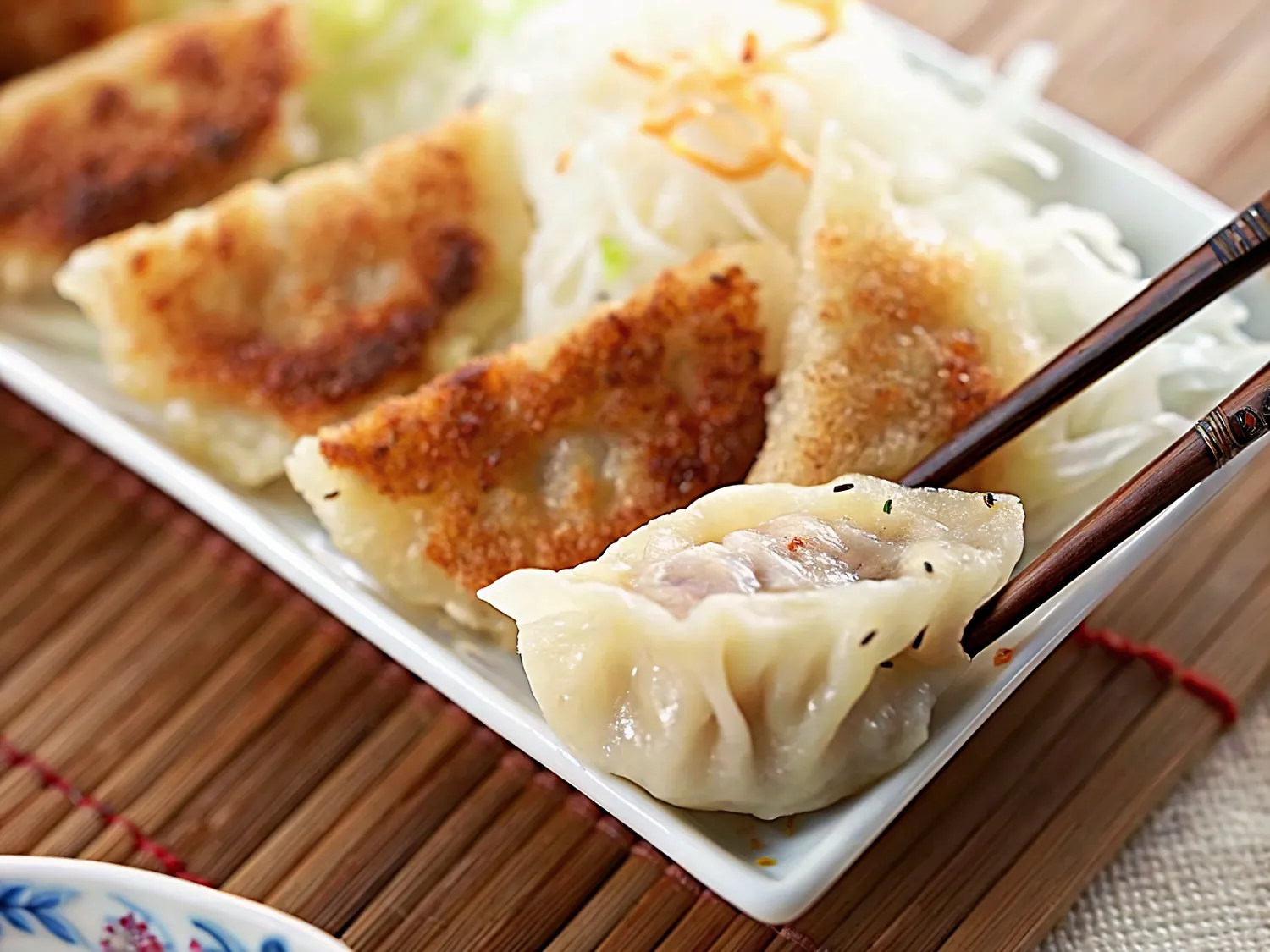
The Best Gyoza (Japanese Pork and Cabbage Dumplings) Final Result
Mastered the Char? Share your kitchen success story in the comments, rate the recipe, and tag us on Instagram and TikTok with #ChopAndChar — Chef Jax might feature your masterpiece in our community spotlight! #TheChar #TheChop #ChefJax #HighHeatCooking #15MinuteMeals #GrillMaster
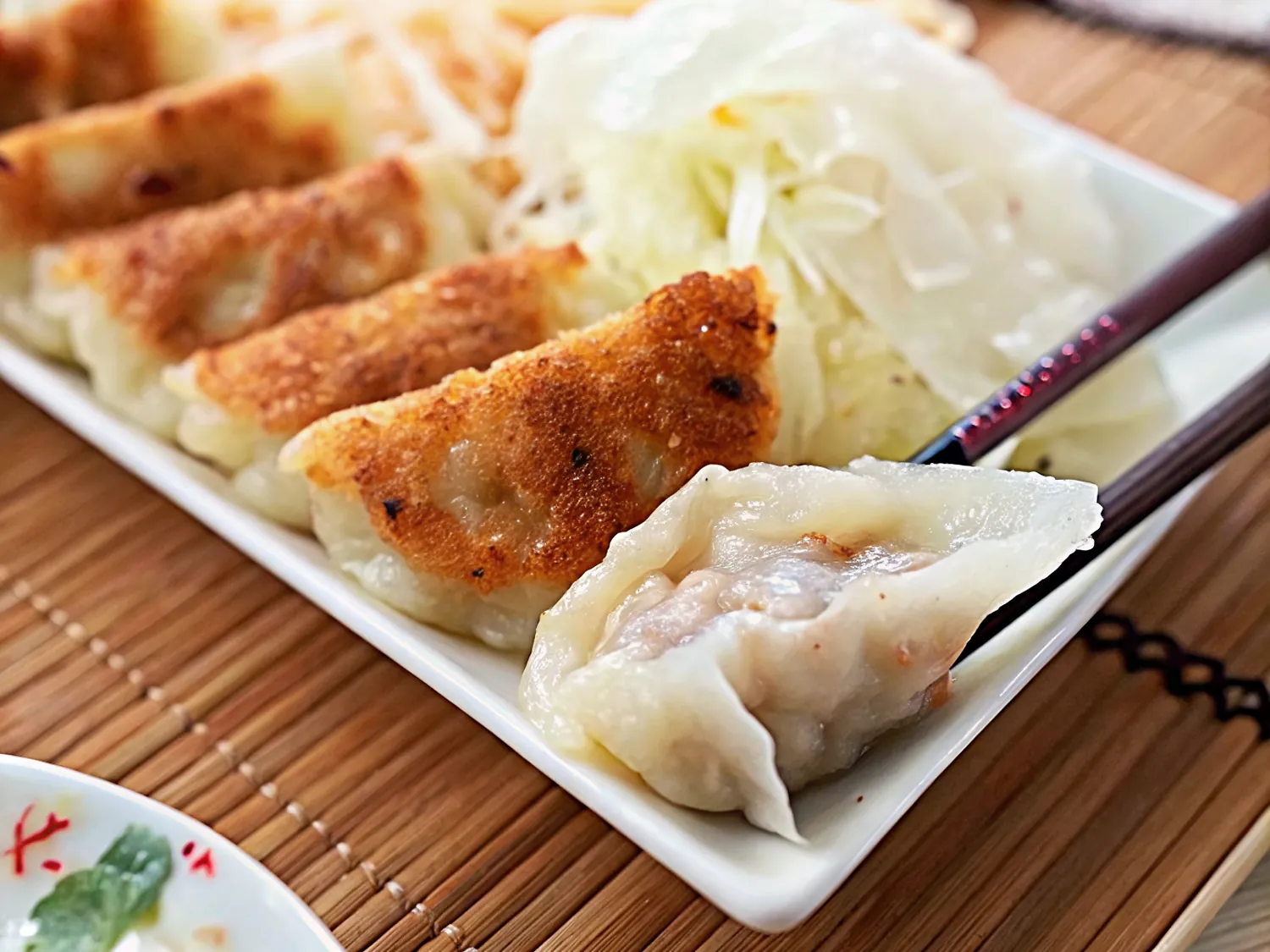
The Best Gyoza
Ingredients
Instructions
- Prepare the Filling: In a large bowl, combine the chopped cabbage, ground pork, green onions, garlic, soy sauce, and sesame oil. Mix well until all the ingredients are fully incorporated.
- Assemble the Gyoza: Lay a wonton wrapper on a flat surface. Place a small spoonful of the filling in the center of the wrapper. Dip your finger in a small amount of water and run it along the edges of the wrapper. Fold the wrapper into a triangle by bringing the two opposite corners together to form a point. Press the edges together to seal the gyoza. Repeat with the remaining wrappers and filling.
- Cook the Gyoza: In a large skillet or wok, heat a couple of tablespoons of oil over medium-high heat. When the oil is hot, add the gyoza to the skillet, being careful not to overcrowd it. Cook the gyoza for 2-3 minutes on each side, until they are golden brown and crispy. Serve hot with your favorite dipping sauce.