
Introduction
What if you could achieve the complex, smoky depth of a restaurant-quality Korean bowl in less time than it takes for delivery to arrive? The secret lies not in slow simmering, but in harnessing blistering heat with ruthless efficiency. Welcome to the arena of high-heat searing, where the iconic Vegan Bibimbap is transformed through The Chop & Char Method. This isn’t about gentle steaming; it’s about creating a symphony of contrasting textures—crisp, caramelized, and tender—all on a single sheet pan or in a screaming-hot skillet. We’re trading hours for intensity, proving that gourmet flavor is a function of precision, not patience.
This method thrives on the foundational principles of rapid prep and thermal aggression. For more high-heat efficiency, explore our Air Fryer Cajun Butter Steak Bites with Mushrooms or master the art of protein searing with our Perfect Chili Garlic Crispy Tofu. To deepen your understanding of key ingredients, the fermented chili paste central to our sauce is detailed on Gochujang – Wikipedia, and for the traditionalists seeking the ultimate crispy rice experience, authentic dolsot bowls can be sourced through communities like this Reddit thread on authentic Dolsot bowls.
Why Vegan Bibimbap is a Game-Changer for Busy Kitchens
The modern culinary conflict is universal: a desperate lack of time versus an insatiable craving for deep, gourmet flavor. This is where the Chop & Char Vegan Bibimbap declares victory. The “Chop” represents our hyper-efficient prep—vegetables cut for maximum surface area, a sauce blended in seconds, protein pressed and ready. The “Char” is the transformative fire. We’re not just cooking vegetables; we’re aggressively searing them to create smoky, caramelized edges and concentrating their natural sugars. This high-heat approach extracts more flavor in minutes than steaming or boiling could in an hour, delivering a bowl that’s vibrant, texturally complex, and deeply satisfying without compromise.
Expert Culinary Resources
This efficiency is grounded in science. The foundational Maillard reaction is our flavor engine, creating hundreds of new aroma compounds when high heat meets amino acids and sugars. Mastering professional knife skills accelerates the “Chop” phase dramatically. For the ingredients, prioritizing seasonal, sustainable sourcing ensures the highest quality canvas for our high-heat artistry.
Ingredients for the Ultimate Vegan Bibimbap
Vegan Bibimbap Ingredients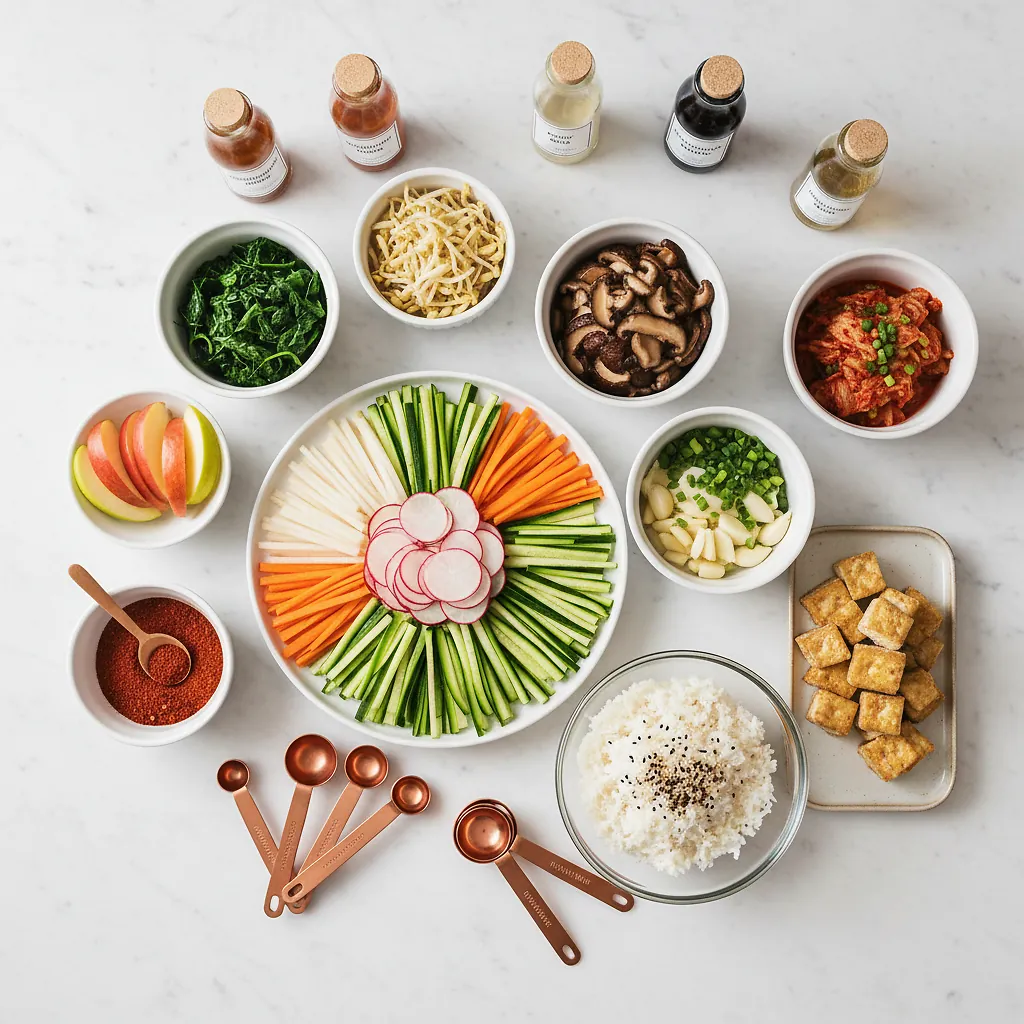
The Char Components (Produce): 1 large carrot (julienned for fast sear), 1 zucchini (halved and sliced on a bias), 5 oz shiitake mushrooms (stems removed, caps sliced), 2 large handfuls of spinach, 1 cup bean sprouts. The Chop Prep: Uniform, thin cuts are non-negotiable. They ensure rapid moisture evaporation and even charring.
The Protein & Base: 1 block (14 oz) extra-firm tofu, pressed and torn into craggy chunks, or 1 cup textured vegetable protein (TVP) rehydrated. 2 cups cooked short-grain rice (day-old preferred for optimal texture).
The Flavor Arsenal: 3 tbsp gochujang (Korean chili paste), 2 tbsp soy sauce or tamari, 1 tbsp toasted sesame oil, 1 tbsp maple syrup or agave, 2 cloves garlic (microplaned), 1 tsp grated ginger, 2 tbsp neutral oil with high smoke point (e.g., avocado, grapeseed). Accessibility Note: Pro-grade gochujang from a Korean market offers superior ferment depth, but a supermarket Asian aisle version works. For tofu, pressing is the pro secret; for a supermarket shortcut, use pre-baked or smoked tofu.
The Garnish Finish: Toasted sesame seeds, sliced green onion, optional nori strips. These add the final layers of aroma and crunch.
The Science of the Sear: Why This Works
High-heat cooking transforms each component of this Vegan Bibimbap on a molecular level. For the tofu, intense heat rapidly vaporizes surface moisture, allowing the protein matrix to crisp into a flavorful, textured crust. The vegetables, when cut thinly and not crowded, undergo concentrated caramelization rather than steaming, amplifying their inherent sweetness and adding a smoky bitterness that balances the sauce. The rice, especially if spread thinly in a hot pan or served in a preheated bowl, develops a coveted nutty, crispy bottom (nurungji). The Chop & Char timing is critical: each element gets brief, undivided attention from extreme heat, creating maximum flavor impact in minimum time. Chef Jax’s Pro Secret: “Salt your vegetables *after* they hit the pan. Salt draws moisture to the surface before cooking; we want that moisture to evaporate instantly on contact with heat to achieve char, not steam.”
Timing Breakdown: The Chop & Char Method
Prep Time (The Chop): 10 minutes – Cook Time (The Char): 10 minutes – Total Time: 20 minutes. Serves: 2. This philosophy is built on the 60-second “Flash Prep” rule: organize your *mise en place* so each component is ready to hit the heat the moment the pan is ready. There is no downtime. While the pan preheats, you blend the sauce. While the tofu chars, you plate the rice. This is parallel processing, not linear cooking.
Step-by-Step Instructions
Step 1: The Chop [Mise en Place & Sauce]
Press and tear your tofu into rough, uneven chunks—these craggy edges create more surface area for crisping. Julienne the carrot, bias-slice the zucchini, and slice the mushrooms. Have spinach and bean sprouts ready. In a small bowl, violently whisk together the gochujang, soy sauce, sesame oil, maple syrup, garlic, and ginger until smooth. Timing: Complete all prep within 10 minutes. Common Mistake: Cutting vegetables too thick, which leads to steaming instead of searing.
Step 2: The Char [Tofu & Vegetables]
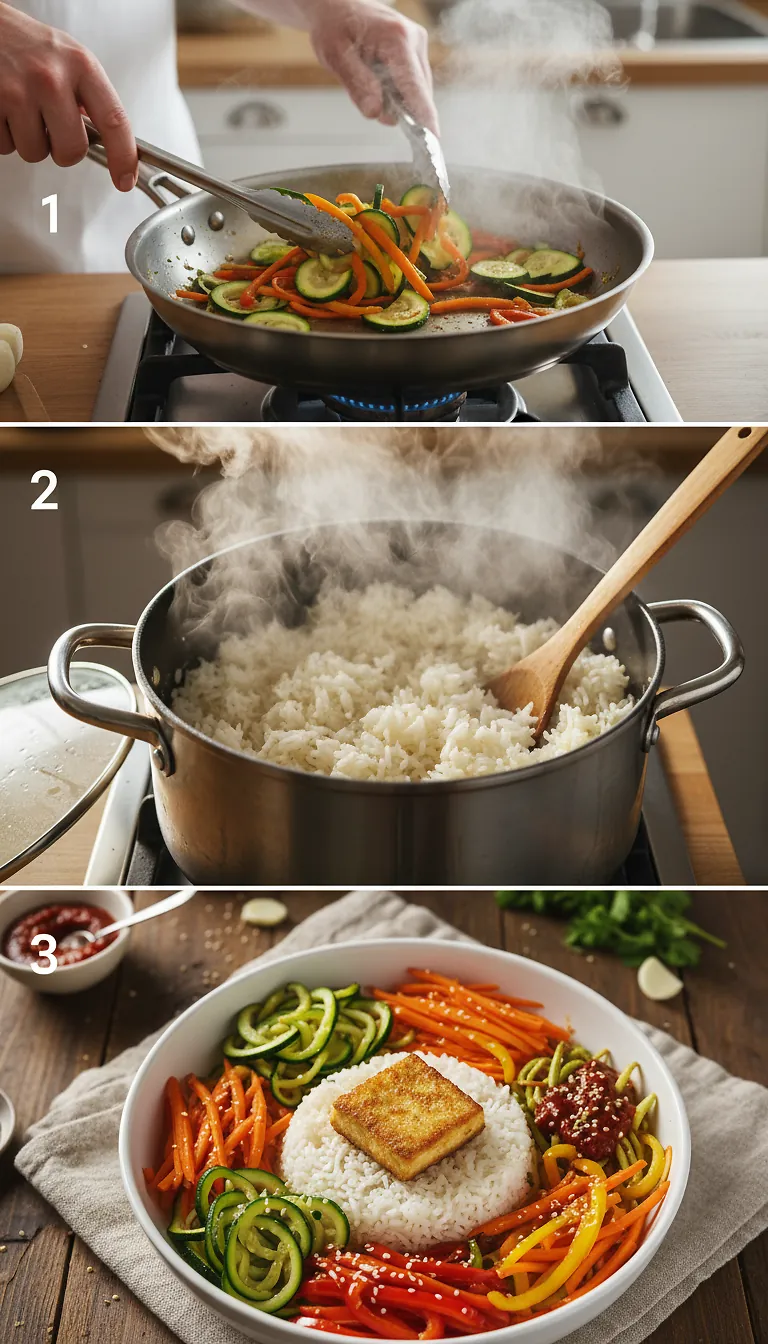
Heat a large cast-iron skillet or carbon steel wok over maximum heat for 90 seconds. Add 1 tbsp neutral oil. Add the tofu in a single layer—do not crowd. Let it sear, untouched, for 60-90 seconds until a golden-brown crust forms. Flip and repeat. Remove tofu. Add remaining oil. Working in quick succession, add mushrooms first (they release water), char for 2 minutes. Push aside, add carrots and zucchini, char for 90 seconds. Finally, add spinach and bean sprouts, tossing just until wilted (30 seconds).
Step 3: The Assembly & Final Sear
Divide rice between two deep bowls. Arrange the charred vegetables and tofu over the rice. For the signature crispy rice bottom, you can optionally spread warm rice in a lightly oiled, preheated small skillet for 60 seconds before plating. Drizzle the explosive gochujang sauce generously over everything.
Pro Tips for Achieving the Perfect Char
Surface Moisture Control: Pat tofu and washed vegetables *completely* dry. Water is the enemy of the Maillard reaction. Pan Temperature Benchmark: Your oil should shimmer and thin out almost instantly when added to the pan. A drop of water should skitter and evaporate on contact. Knife Angle for Speed: Use a sharp chef’s knife and a claw grip. For carrots, square off the sides first to create stable, fast julienne cuts. Carry-Over Cooking Awareness: Remove vegetables from the pan just before they’re done to your liking; residual heat will finish them. Resting Period Importance: Let the tofu rest for 60 seconds after searing. This allows the proteins to relax and retain a crispier texture.
Behind the Recipe: Chef Jax’s Kitchen Notes
This recipe was born during a relentless dinner rush, the need for speed colliding with a craving for the complex, umami-rich bowls from a late-night food stall in Seoul. The traditional version is an artful, slow assembly. The Chop & Char adaptation is its high-octane relative. It embodies our core belief: depth of flavor isn’t about how long you cook, but how *intensely* you apply heat with precision. It’s for the home cook who demands restaurant-level satisfaction on a Tuesday night timeline, proving that culinary firepower is the ultimate time-saving tool.
Perfect Pairings & Signature Dips
While this Vegan Bibimbap is a complete meal, contrast it with a simple, seared cucumber salad or quick-pickled radishes for a bright, acidic counterpoint. For a non-alcoholic pairing that complements the spicy, savory notes, try a chilled ginger-honey lemon tonic or a sparkling yuzu soda. The effervescence and citrus cut through the richness perfectly.
Frequently Asked Questions
What is the best pan for achieving the perfect char in Vegan Bibimbap?
A heavy-bottomed cast-iron skillet or carbon steel wok is ideal. They retain and distribute intense heat evenly, preventing cool spots that cause vegetables to steam instead of sear.
Can I make a spicy Vegan Bibimbap ahead of time?
You can prep the vegetables and sauce 1-2 days in advance. However, for optimal texture, the high-heat char should be done immediately before serving. Store components separately and assemble after a quick re-sear.
What’s the key to getting crispy tofu in this high-heat recipe?
The twin pillars are thorough pressing to remove internal moisture and not overcrowding the pan. Give each piece of tofu room so evaporating moisture can escape, allowing the surface to crisp rather than steam.
What are good protein substitutes in a Chop & Char Vegan Bibimbap?
Beyond tofu, try tempeh (steamed first, then crumbled), seitan strips, or even thickly-sliced king oyster mushrooms. The principle remains: high heat, minimal crowding, aim for caramelization.
How do I prevent my vegetables from getting soggy during the high-heat cook?
Work in batches if necessary. Overcrowding is the primary cause of sogginess. Each piece needs direct contact with the hot surface to char, not steam in released vegetable juices.
Conclusion
Restaurant-quality texture and layered flavor don’t require hours of slow prep. They demand confidence, a sharp knife, and the courage to wield high heat with purpose. This Vegan Bibimbap is proof that the Chop & Char Method delivers intense satisfaction at lightning speed.
Vegan Bibimbap Final Result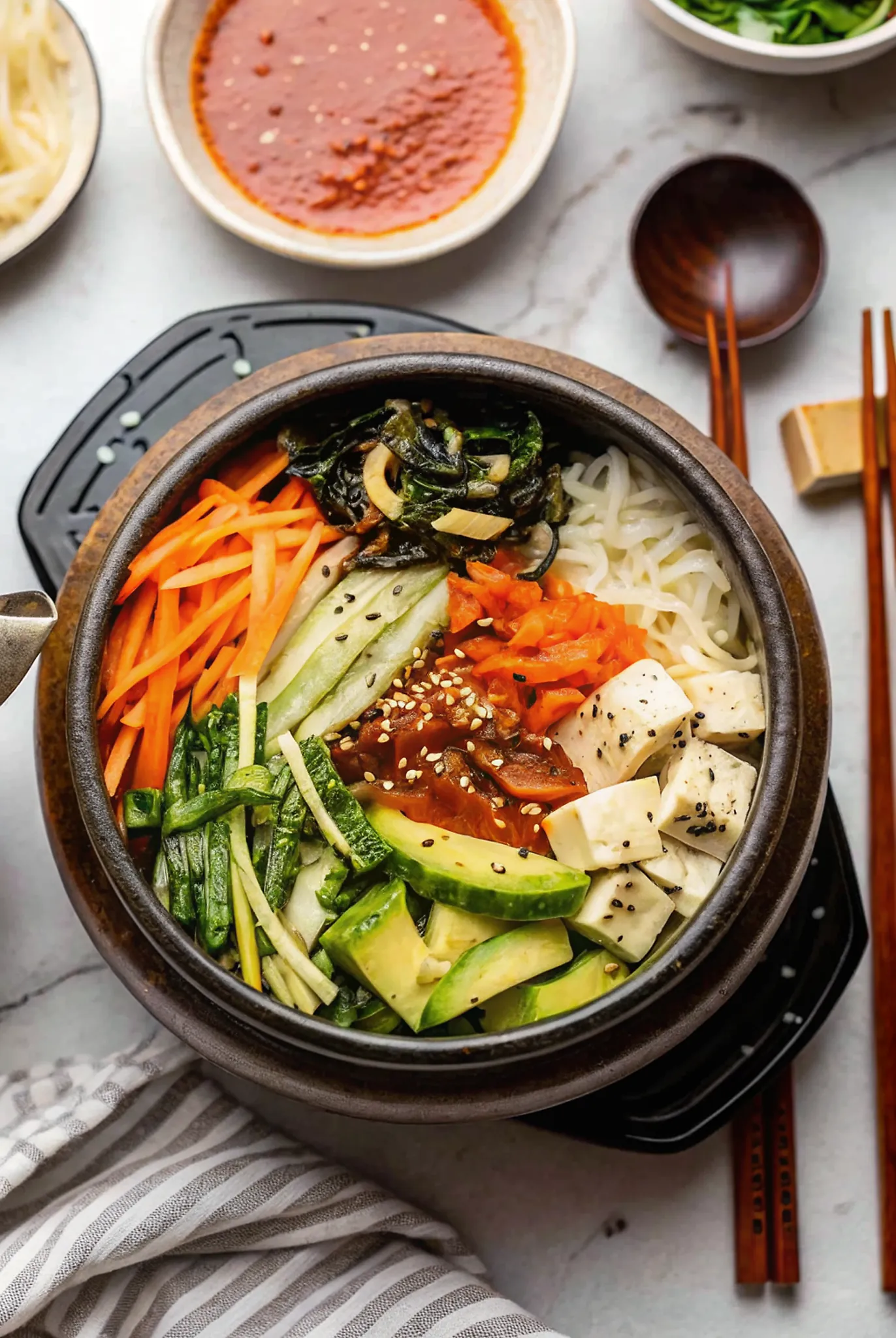
Mastered the Char? Share your kitchen success story in the comments, rate the recipe, and tag us on Instagram and TikTok with #ChopAndChar — Chef Jax might feature your masterpiece in our community spotlight! #TheChar #TheChop #ChefJax #HighHeatCooking #15MinuteMeals #GrillMaster
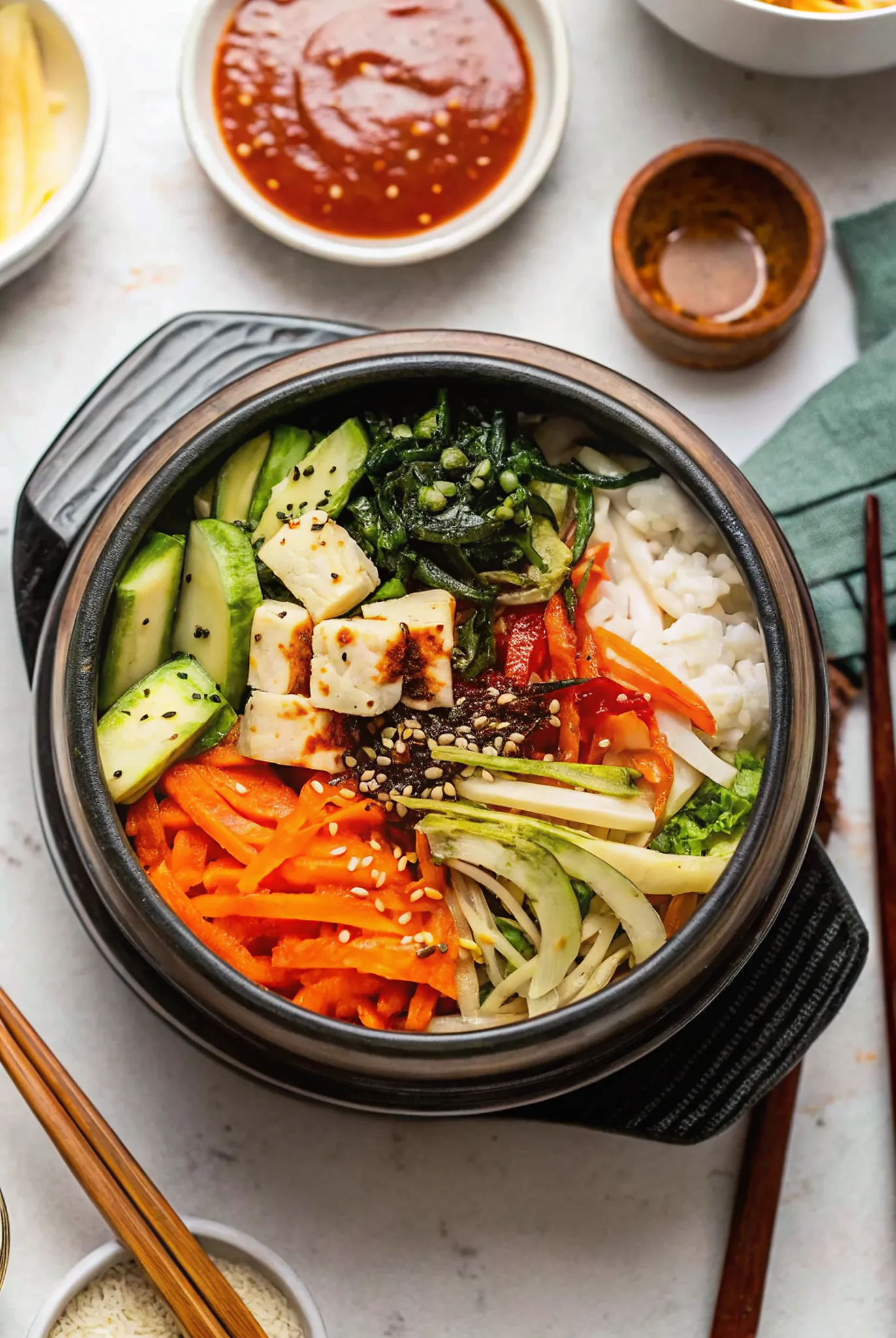
Vegan Bibimbap
Ingredients
Instructions
- Prepare the ingredients: Chop the mixed vegetables, cook the white rice, and fry the tofu.
- Assemble the Bibimbap: Place a scoop of cooked rice in a bowl, add the mixed vegetables, fried tofu, and a drizzle of Gochujang sauce.