
Introduction
Ever wonder why restaurant duck breast tastes impossibly crisp on the outside yet melts like butter inside? The secret isn’t a fancy kitchen—it’s mastering the sear. High heat isn’t just about speed; it’s about chemistry. When duck fat hits a ripping-hot pan, the Maillard reaction kicks in, creating that golden crust and deep, smoky aroma that makes your mouth water before the first bite. The Chop & Char Method turns this restaurant magic into a 15-minute reality, proving that gourmet flavor doesn’t require hours at the stove.
Busy weeknights shouldn’t mean bland dinners. With the right technique, you can deliver Pan Seared Duck Breast with Honey-Soy glaze that rivals any bistro—crisp skin, juicy meat, and a glossy glaze that clings to every bite. This isn’t just cooking; it’s a flavor revolution for anyone who craves bold results without the wait.
Why Pan Seared Duck Breast with Honey-Soy glaze is a Game-Changer for Busy Kitchens
Modern life demands meals that deliver maximum flavor in minimum time. Duck breast checks every box: it’s rich, satisfying, and cooks faster than most proteins when you harness high heat. The honey-soy glaze adds a sweet-salty punch that caramelizes instantly under intense heat, creating layers of flavor without marinating for hours. This dish proves that gourmet doesn’t mean complicated—it means working smarter, not harder.
The Chop & Char Method is built for efficiency. “Chop” means prepping with precision—scoring the skin, slicing aromatics razor-thin—so every second counts. “Char” is where the magic happens: a screaming-hot pan locks in juices while building that craveable crust. Together, they transform a simple duck breast into a restaurant-worthy centerpiece in under 20 minutes.
Expert Culinary Resources
Want to geek out on the science behind the sear? The Maillard reaction—the browning that makes seared meat irresistible—is a chemical dance between amino acids and reducing sugars under high heat. Understanding this process helps you control texture and flavor. For knife skills that make “The Chop” lightning-fast, check out tutorials from professional culinary schools. And if you’re sourcing ingredients, sustainable farms often offer premium duck with better fat quality, which translates to a superior sear.
Ingredients for the Ultimate Pan Seared Duck Breast with Honey-Soy glaze
Focus Keyword Ingredients
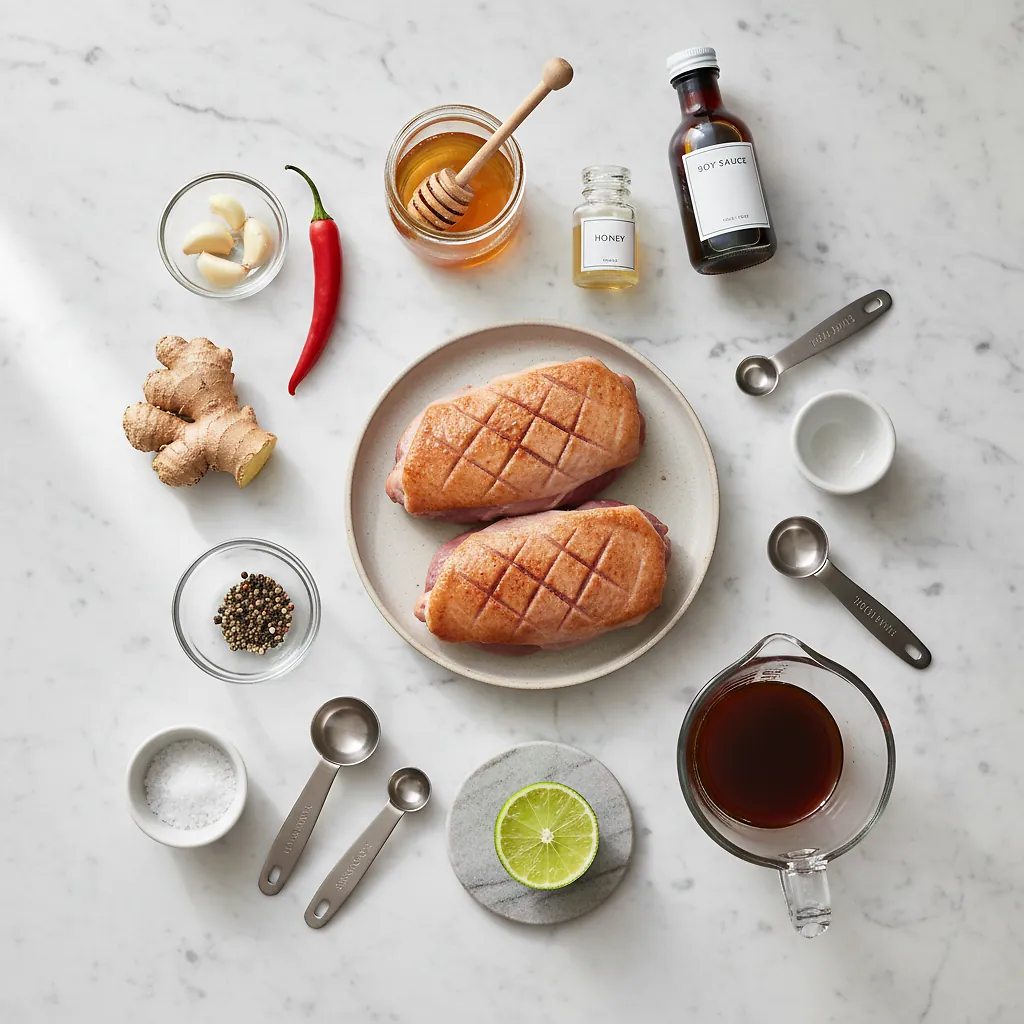
- 2 duck breasts (5-6 oz each), skin-on
- 2 tbsp honey (clover or wildflower for floral notes)
- 2 tbsp soy sauce (low-sodium for better control)
- 1 tsp rice vinegar (brightens the glaze)
- 1 tsp grated fresh ginger (microplane for speed)
- 1 garlic clove, minced (or ½ tsp garlic paste)
- Freshly cracked black pepper
- Optional: sliced scallions for garnish
Pro tip: If you can’t find fresh duck, skin-on chicken thighs work in a pinch—just adjust cook time. The goal is fat that renders quickly under high heat.
The Science of the Sear: Why This Works
Duck breast is a fat-marbled cut, meaning it bastes itself as it cooks. The key is starting skin-side down in a cold pan, then cranking the heat. This renders fat slowly at first, preventing flare-ups, then builds a shatteringly crisp crust. The honey-soy glaze, brushed on in the final minute, caramelizes instantly thanks to the sugar content—no need for long reductions.
Chef Jax’s Pro Secret: Pat the skin bone-dry before scoring. Moisture is the enemy of crispness. A light dusting of cornstarch (optional) can amplify crunch by absorbing surface humidity.
Timing Breakdown: The Chop & Char Method
Prep Time (The Chop): 5 minutes
Cook Time (The Char): 10 minutes
Total Time: 15 minutes
Serves: 2
The philosophy here is ruthless efficiency. Every cut, every flip, every brush of glaze is timed to maximize flavor in minimal minutes. No waiting, no second-guessing—just heat, timing, and confidence.
Step-by-Step Instructions
Step 1: The Chop [Prep]
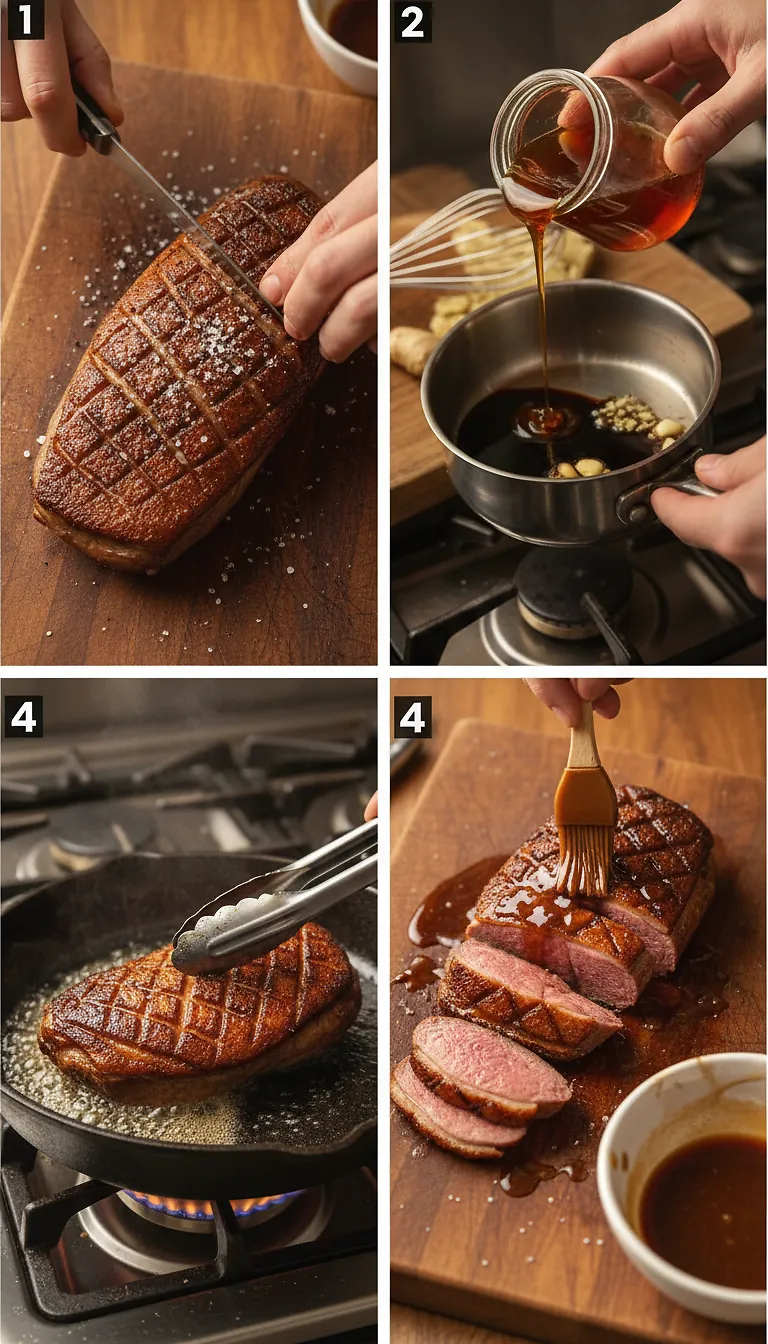
Score the duck skin in a crosshatch pattern, cutting just through the fat—not the meat. This increases surface area for fat rendering. Pat completely dry with paper towels. Mince garlic, grate ginger, and mix honey, soy sauce, and rice vinegar in a small bowl. Have everything within arm’s reach—this moves fast.
Step 2: The Char [Sear]
Place duck skin-side down in a cold, dry skillet. Turn heat to medium-high. Let fat render for 6-8 minutes until skin is deep golden and most fat has melted. Flip and sear meat side for 2-3 minutes. Brush glaze over skin, then flip again for 30 seconds to caramelize. Remove from heat; let rest 3 minutes.
Step 3: The Finish
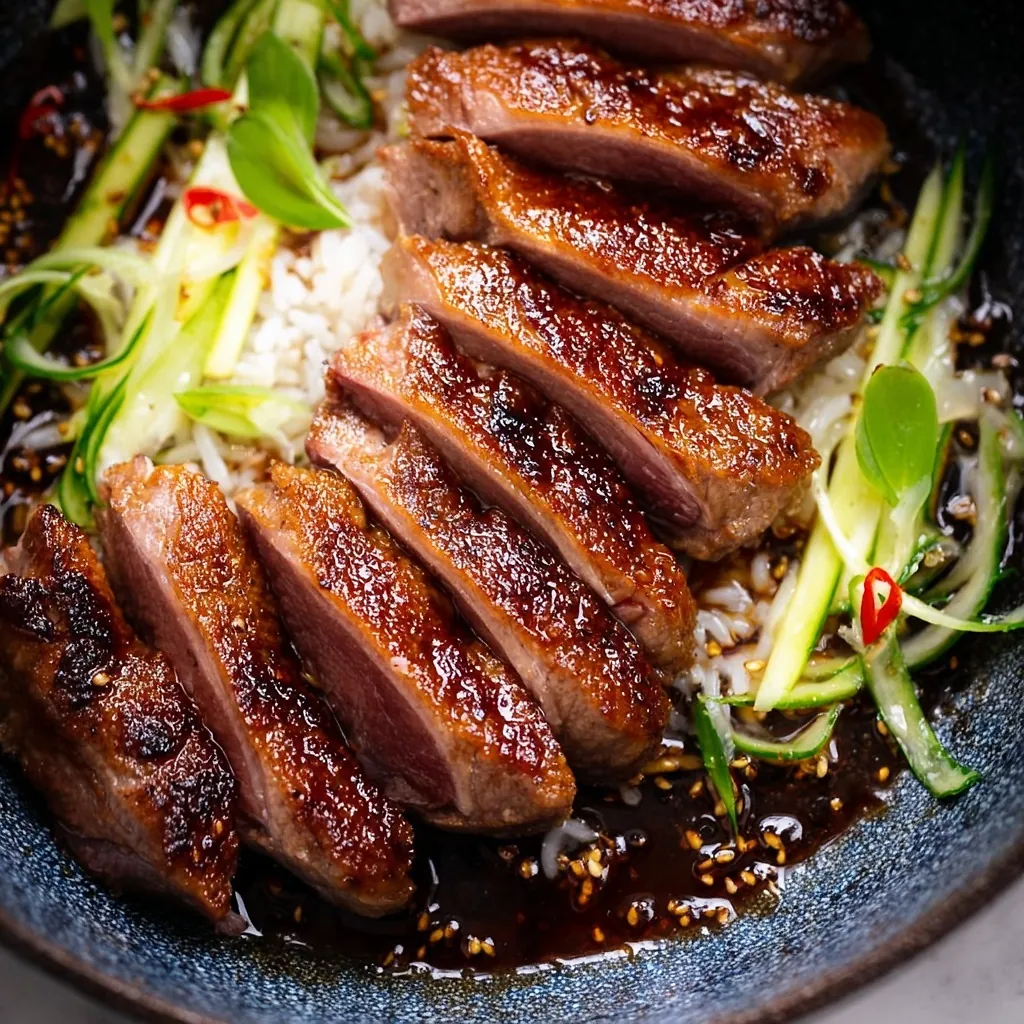
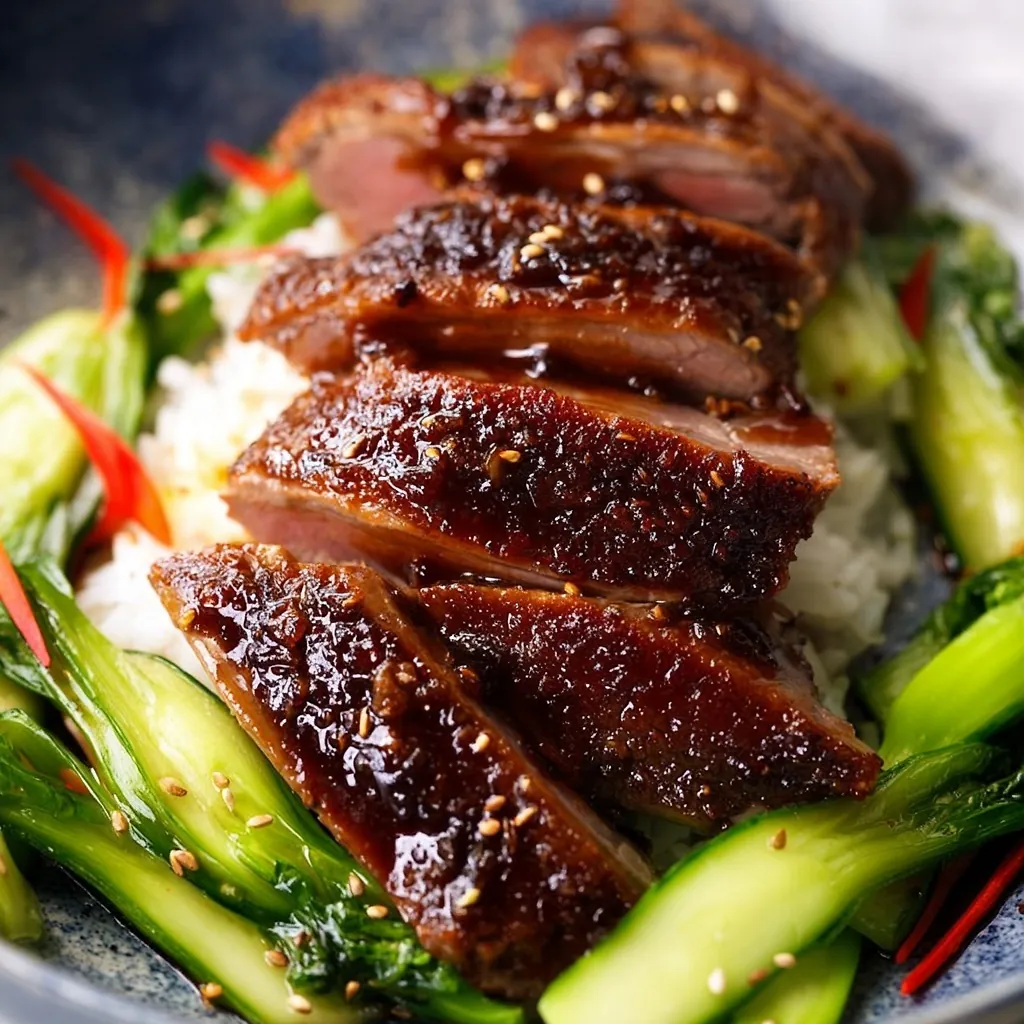
Slice duck against the grain at a 45-degree angle. Fan slices on a plate, drizzle with remaining glaze, and garnish with scallions if desired. Serve immediately—crisp skin waits for no one.
Pro Tips for Achieving the Perfect Char
Surface moisture is the number one enemy of a good crust. After scoring, press duck between paper towels to absorb every drop of water. Pan temperature matters: too low and skin stews; too high and it burns before fat renders. Aim for a steady medium-high sizzle. Use a fish spatula for flipping—its thin edge slides under without crushing the crust. Remember, carry-over cooking will raise internal temp by 5-7°F after removing from heat, so pull duck at 130°F for medium-rare. Rest it uncovered to keep skin crisp.
Behind the Recipe: Chef Jax’s Kitchen Notes
This recipe was born on a hectic Tuesday when I needed something impressive for last-minute guests. Duck breast was the only protein in the fridge, and I had five minutes to decide. Scoring the skin, hitting it with high heat, and brushing on a quick glaze felt like cheating—but the result was pure magic. That’s the heart of Chop & Char: bold moves, minimal fuss, and flavors that make people think you’ve been cooking all day.
Perfect Pairings & Signature Dips
Balance the richness of duck with bright, acidic sides. A quick pickle of cucumber or radish cuts through fat beautifully. For something heartier, try garlic-smashed potatoes with a sprinkle of sea salt. If you want a signature dip, mix equal parts Greek yogurt and sriracha with a squeeze of lime—cool, creamy, and fiery. Skip the wine; instead, serve a chilled hibiscus tonic or grilled pineapple agua fresca for a refreshing contrast.
Frequently Asked Questions
How do I know when duck breast is done without a thermometer?
Press the meat—if it springs back like the pad of your thumb, it’s medium-rare. If it feels firm, it’s well-done. But for precision, a thermometer is worth it.
Can I make this ahead for a dinner party?
Prep and score in advance, but sear just before serving. Reheating ruins the crisp skin.
What if my pan isn’t hot enough?
Increase heat slightly and give it another minute. The skin should sizzle steadily—if it’s quiet, the pan’s too cool.
Can I use frozen duck breast?
Thaw completely in the fridge, then pat bone-dry. Extra moisture from freezing can sabotage the sear.
How do I store leftovers?
Keep in an airtight container up to 2 days. Reheat in a skillet over medium heat to revive some crispness.
Conclusion
Restaurant-quality duck breast isn’t about rare ingredients or hours of prep—it’s about mastering heat and timing. The Chop & Char Method strips away the intimidation, leaving you with a dish that’s impressive, efficient, and undeniably delicious. Once you’ve tasted that first bite of crisp skin and juicy meat, you’ll never look at weeknight cooking the same way.
Mastered the Char? Share your kitchen success story in the comments, rate the recipe, and tag us on Instagram and TikTok with #ChopAndChar — Chef Jax might feature your masterpiece in our community spotlight!
Perfect Pan Seared Duck Breast with Honey-Soy Glaze
Ingredients
Instructions
- Prepare the Glaze: In a small bowl, whisk together soy sauce, honey, rice vinegar, sesame oil, minced garlic, and grated ginger. Set aside.
- Score and Season Duck: Using a sharp knife, score the skin of the duck breasts in a crosshatch pattern, being careful not to cut into the meat. Season both sides with salt and pepper.
- Sear the Duck: Place duck breasts skin-side down in a cold skillet. Turn heat to medium and cook until skin is crispy and most of the fat has rendered, about 8-10 minutes. Flip and cook the other side for 3-4 minutes for medium-rare.
- Glaze and Rest: Remove duck from skillet and pour off excess fat. Return duck to skillet skin-side up and pour the honey-soy glaze over. Cook for 1-2 minutes, basting the duck with the glaze. Remove from heat and let rest for 5 minutes before slicing.